
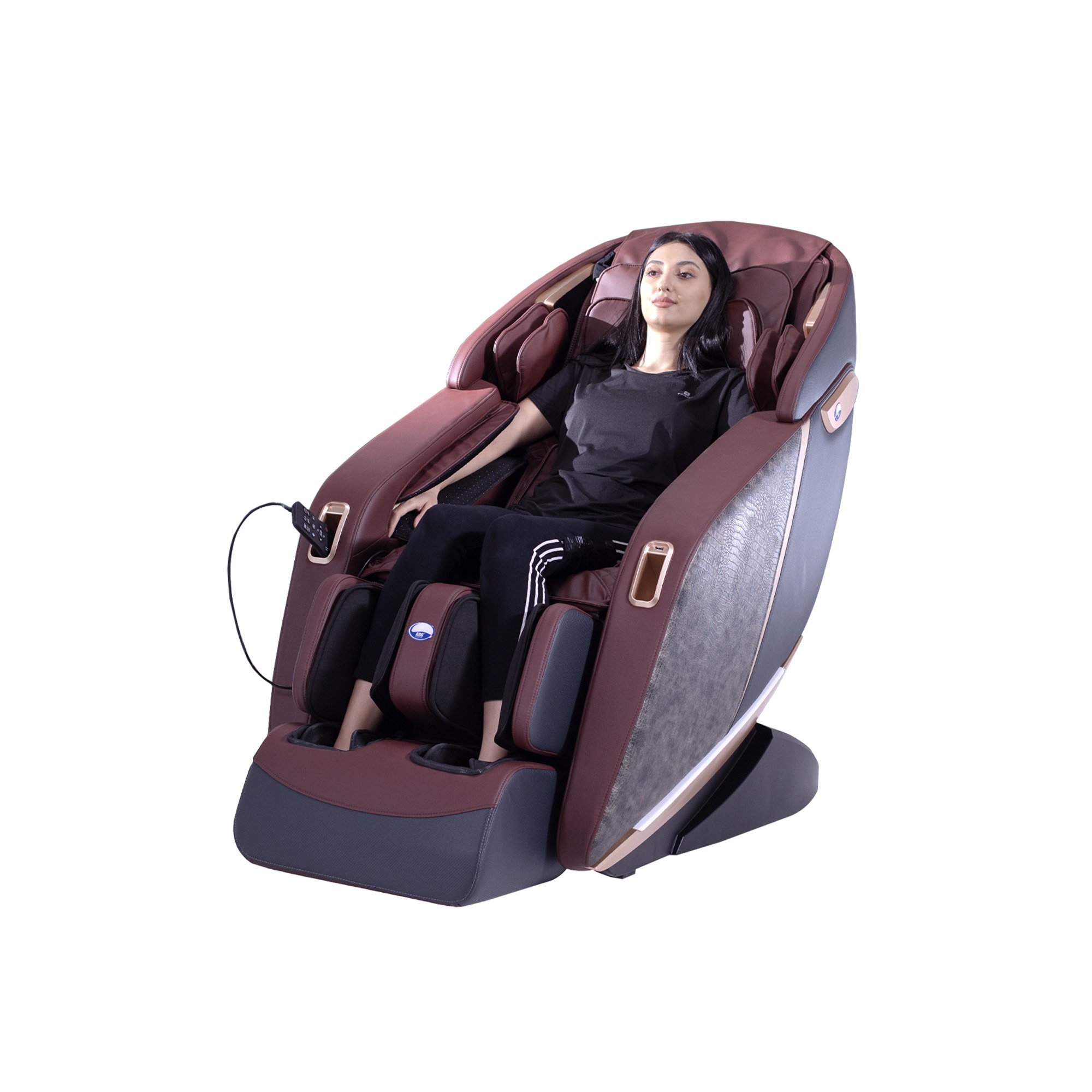

In today’s digital age, many individuals spend a significant portion of their day using electronic devices such as smartphones, tablets, and computers. This prolonged use often leads to neck tension and discomfort, commonly referred to as “tech neck” or “text neck.” The constant forward head posture strains the muscles around the neck and shoulders, causing stiffness, pain, and sometimes headaches. As people seek relief from these symptoms, massage chairs have gained popularity as a potential solution. But can massage chairs truly help with neck tension caused by device usage?
Massage chairs are designed to simulate the effects of a professional massage through various mechanisms like rollers, airbags, heat therapy, and vibration. These features aim to relax muscles, improve blood circulation, and reduce muscle tightness. When it comes to neck tension specifically related to device use, certain types of massage chairs offer targeted treatments for this area. Many models include adjustable settings that focus on the cervical region-the part of the spine located in the neck-providing kneading or tapping motions intended to alleviate stiffness.
One primary benefit of using a massage chair reviews for tech-induced neck tension is its ability to increase blood flow in affected areas. Improved circulation helps deliver oxygen and nutrients to strained muscles while removing metabolic waste products that contribute to soreness. Additionally, heat functions incorporated into some chairs can further relax tense muscles by increasing tissue elasticity and reducing inflammation.
Another advantage is convenience; unlike scheduling appointments with a therapist or visiting clinics regularly-which might be time-consuming-a massage chair offers immediate access at home or office whenever needed. This accessibility encourages consistent use which is crucial in managing chronic muscle tightness resulting from repetitive postural habits associated with device usage.
However, while massage chairs provide symptomatic relief by loosening tight muscles temporarily and easing discomforts such as pain or stiffness in the neck region due to prolonged device use; they do not address underlying causes entirely on their own. It remains important for users also to practice good ergonomics: maintaining proper posture when using devices (such as keeping screens at eye level), taking frequent breaks from screen time every 20-30 minutes by stretching or moving around.
Moreover, over-reliance on any mechanical aid without incorporating lifestyle changes may limit long-term benefits since muscular imbalances develop gradually over time due to habitual poor positioning rather than acute injury alone.
In conclusion, massage chairs can be an effective tool for alleviating neck tension associated with extended device usage by providing muscle relaxation through targeted massages combined with heat therapy options that enhance comfort levels significantly after long hours spent looking down at screens. Nevertheless they should be used alongside preventive measures including ergonomic adjustments and regular movement breaks for comprehensive management of tech-related musculoskeletal strain rather than serving as sole remedy solutions.


